
Multi-Modal Phases
What You Need to Know
The TransAmerica Transportation Corridor Study of 1994 was conducted with the following modes of transportation in mind (Chapter 4: 21st Century Opportunities):

Interstate passenger car lanes

Interstate heavy truck lanes

Electric Utilities Conduit

Fiber Optics Conduit

High Speed Freight Rail

Natural Gas and Oil Pipelines

Water Pipelines

Slurry Pipelines

Hydraulic Capsule Pipeline
The current purpose and need respects the past studies on these modes, especially in light of how the TransAmerica Corridor project helped shape the ISTEA Act of 1991 with its ideas on how to best manage the National Interstate Highway System after its formal completion in 1992.
The modes of transportation under consideration are the Conventional Interstates and Electric Utilities Conduits at this time. A future update to the TransAmerica Transportation Corridor Study will show what other modes could be viable, with costs and recommendations on how to incorporate them in the future.
Modes Under Consideration
The TransAmerica Corridor organization is only pursing the following modes of transportation.
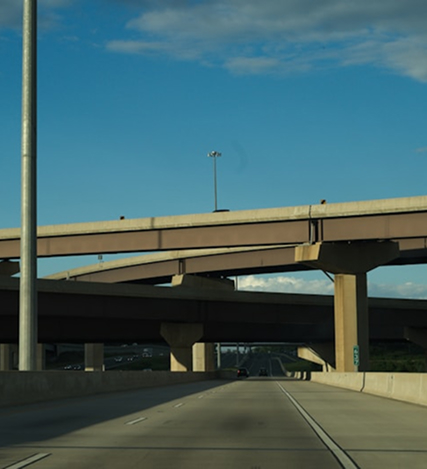
Conventional Interstate
Conventional Interstate
This is the most likely candidate for implementation in the short to near term. This will be a four lane divided limited access control highway, with the potential for some areas to have up to six lanes.

Electric Conduit
Electric Conduit
A mode that makes even more sense today as we grapple with how to power and connect all of the American electric grids, while providing ample electricity in a world increasingly dependent on power-hungry AI technologies.
Benefits of Additional Modes

Complementary Functions
A new transcontinental facility in the corridor would need to have efficient connections with other transportation modes, such as seaports and riverports, to be effective. This approach allows different modes, like highways, railways, waterways, and air travel, to work together in a single system.

Economic Development
The goal of a national intermodal transportation system, as defined by the Intermodal Surface Transportation Efficiency Act (ISTEA), is to promote economic development, support international commerce, and provide improved access to ports and airports. A multimodal corridor can be a key element of this system, fostering economic growth and increasing productivity. It can also help communities in the corridor become more competitive by lowering transportation costs and attracting new businesses and economic activity.

Enhanced Feasibility and Efficiency
A multimodal approach improves the efficiency of goods movement by allowing freight to be transferred between different modes, such as truck and rail, which can lead to cost savings. For passengers, it provides a variety of choices and can be a faster and more effective alternative to single-mode travel, especially for intercity trips.
In the context of the study, the multimodal “transportation spine” concept was adopted, where the Transamerica Transportation Corridor (TTC) would be located between major activity centers and connect to a larger network through a feeder system extending north and south. The TTC could be a highway with intermodal connections to a high-speed rail network or a high speed rail facility acting as an east-west spine to various rail segments. This approach of linking different modes is a fundamental aspect of the study.
